
Confirm file format and reference conventions
STR / 005 · Structural biology
Protein 3D Modeler
A browser-based molecular viewer for protein structures and research-oriented binding-region inspection.
SCIENTIFIC PURPOSE
Makes PDB and related structural data easier to explore, explain and present without leaving the research workspace.
Who it helps
- Structural biologists
- Drug-discovery researchers
- Molecular biology educators
- Scientific illustrators
Supported inputs
- PDB identifier or supported structure
- Optional chain or residue selection
Useful outputs
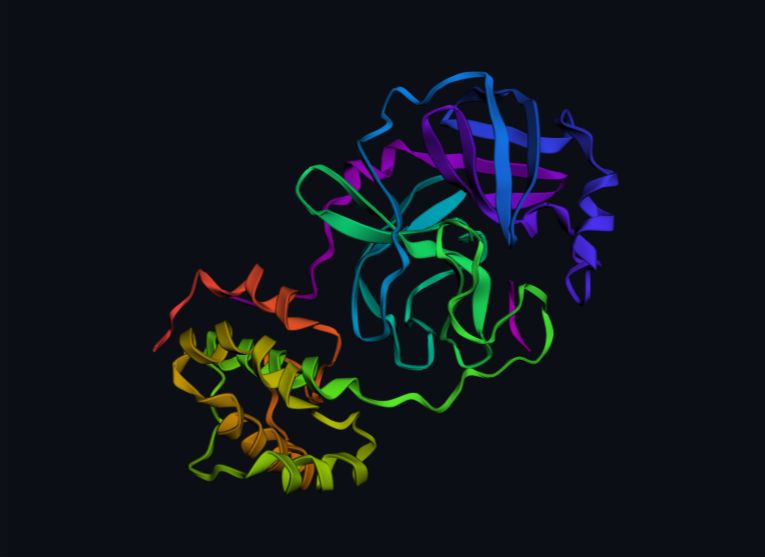
- Interactive ribbon structure
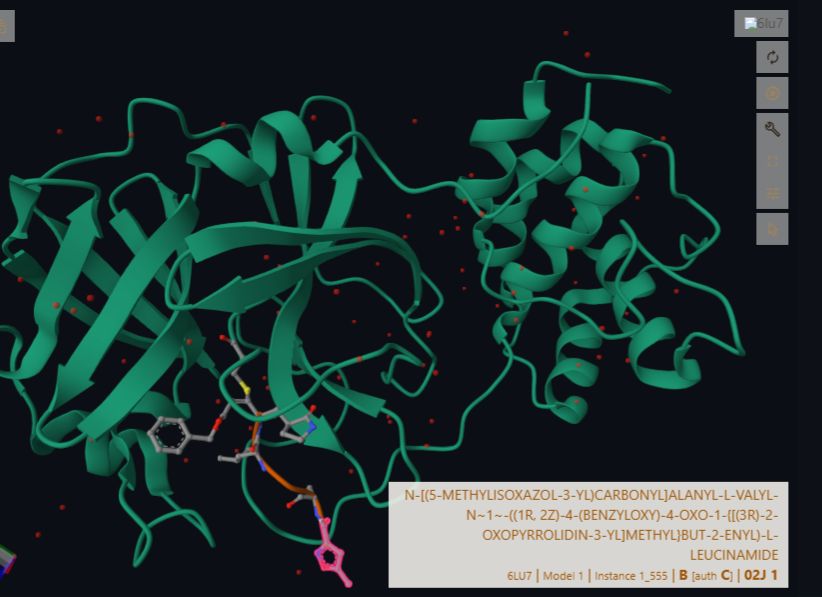
- Chain and residue view
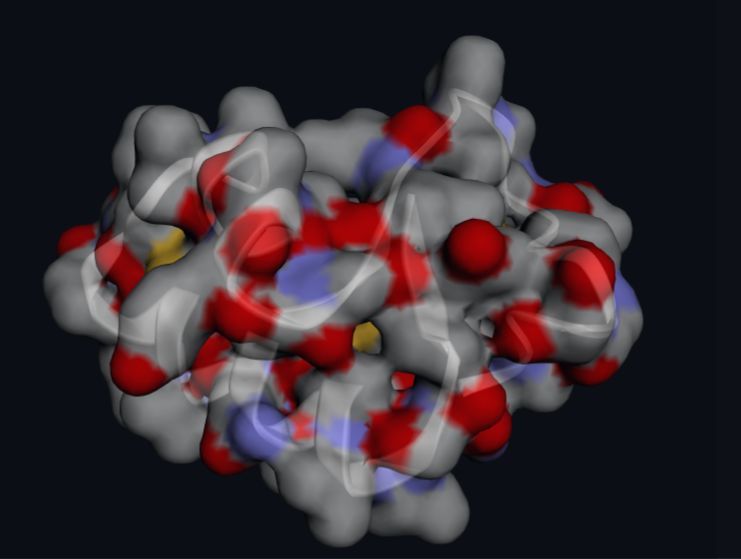
- Surface or pocket-oriented visual
- Exportable structure image
PROJECT INTELLIGENCE
A structured view of
scope and evidence.
These figures describe the documented public surface—not biological performance, clinical validity or benchmark superiority.
STR / 005Working demonstration
3D molecular renderingChain/residue selectionStructure metadata retrievalDATA CONTRACT
What enters, what happens,
what leaves.
01 / INPUT
PDB identifier or supported structure
Optional chain or residue selection
02 / ANALYSIS
01Choose a structure
02Load molecular coordinates
03Select representation and chain
04Inspect regions of interest
05Capture the research view
03 / OUTPUT
Interactive ribbon structure
Chain and residue view
Surface or pocket-oriented visual
Exportable structure image
EVIDENCE & INTERPRETATION MATRIX
How to use the project responsibly.
DimensionPublic evidenceInterpretation boundary
Interface3 documented viewsScreenshots demonstrate interaction patterns, not scientific validation.
Methods3D molecular rendering · Chain/residue selection · Structure metadata retrievalMethod presence does not establish suitability for every dataset.
ReproducibilityDefined inputs, stages and outputsVersions, parameters and data provenance must accompany a real analysis.
Scientific useResearch exploration and communicationNo medical, diagnostic or treatment conclusion is produced.
BEFORE INTERPRETATION
Record tool, database and dataset versions
Inspect missing values, outliers and sample labels
Review assumptions behind each selected method
Keep exported figures linked to their source data
Request domain-expert review for consequential claims
TYPICAL RESEARCH FLOW
- 01
Choose a structure
- 02
Load molecular coordinates
- 03
Select representation and chain
- 04
Inspect regions of interest
- 05
Capture the research view
INTERFACE GALLERY
Multiple views,
one research task.
Project demonstration captures. Displayed material may be benchmark or demonstration data and is not clinical evidence.
METHODS REPRESENTED
3D molecular renderingChain/residue selectionStructure metadata retrieval
KNOWN LIMITATIONS
- Visual inspection is not molecular-dynamics simulation
- Potential pockets require specialist validation
- Structure confidence and provenance must be checked
USEFUL QUESTIONS
Before using the output.
Does the tool predict a drug candidate?
No. It visualises structural information and supports research inspection; drug-design claims require substantially more evidence.
Where do structures come from?
The workflow is designed around supported public structural identifiers and user-supplied research structures.