
Confirm file format and reference conventions
AMR / 001 · Antimicrobial resistance
AMR Analyst
A research interface for reviewing antimicrobial-resistance gene matches in bacterial genome analysis results.
SCIENTIFIC PURPOSE
Helps microbiology and genomic research teams turn tabular similarity-search results into a readable view of candidate resistance genes, drug classes and match strength.
Who it helps
- Microbiology researchers
- AMR surveillance teams
- Bioinformatics students
- Public-health research groups
Supported inputs
- Tab-separated BLAST output
- CARD-style subject identifiers
- Gene match identity and alignment fields
Useful outputs
- Ranked resistance-gene view
- Antibiotic-class summary
- Threshold-aware charts
- Exportable research table
PROJECT INTELLIGENCE
A structured view of
scope and evidence.
These figures describe the documented public surface—not biological performance, clinical validity or benchmark superiority.
AMR / 001Working demonstration
Sequence-similarity result parsingThreshold filteringResistance-class mappingComparative visualisationDATA CONTRACT
What enters, what happens,
what leaves.
01 / INPUT
Tab-separated BLAST output
CARD-style subject identifiers
Gene match identity and alignment fields
02 / ANALYSIS
01Prepare supported BLAST result table
02Upload and validate columns
03Review detected genes and match strength
04Inspect antibiotic classes
05Export the research summary
03 / OUTPUT
Ranked resistance-gene view
Antibiotic-class summary
Threshold-aware charts
Exportable research table
EVIDENCE & INTERPRETATION MATRIX
How to use the project responsibly.
DimensionPublic evidenceInterpretation boundary
Interface6 documented viewsScreenshots demonstrate interaction patterns, not scientific validation.
MethodsSequence-similarity result parsing · Threshold filtering · Resistance-class mapping · Comparative visualisationMethod presence does not establish suitability for every dataset.
ReproducibilityDefined inputs, stages and outputsVersions, parameters and data provenance must accompany a real analysis.
Scientific useResearch exploration and communicationNo medical, diagnostic or treatment conclusion is produced.
BEFORE INTERPRETATION
Record tool, database and dataset versions
Inspect missing values, outliers and sample labels
Review assumptions behind each selected method
Keep exported figures linked to their source data
Request domain-expert review for consequential claims
TYPICAL RESEARCH FLOW
- 01
Prepare supported BLAST result table
- 02
Upload and validate columns
- 03
Review detected genes and match strength
- 04
Inspect antibiotic classes
- 05
Export the research summary
INTERFACE GALLERY
Multiple views,
one research task.
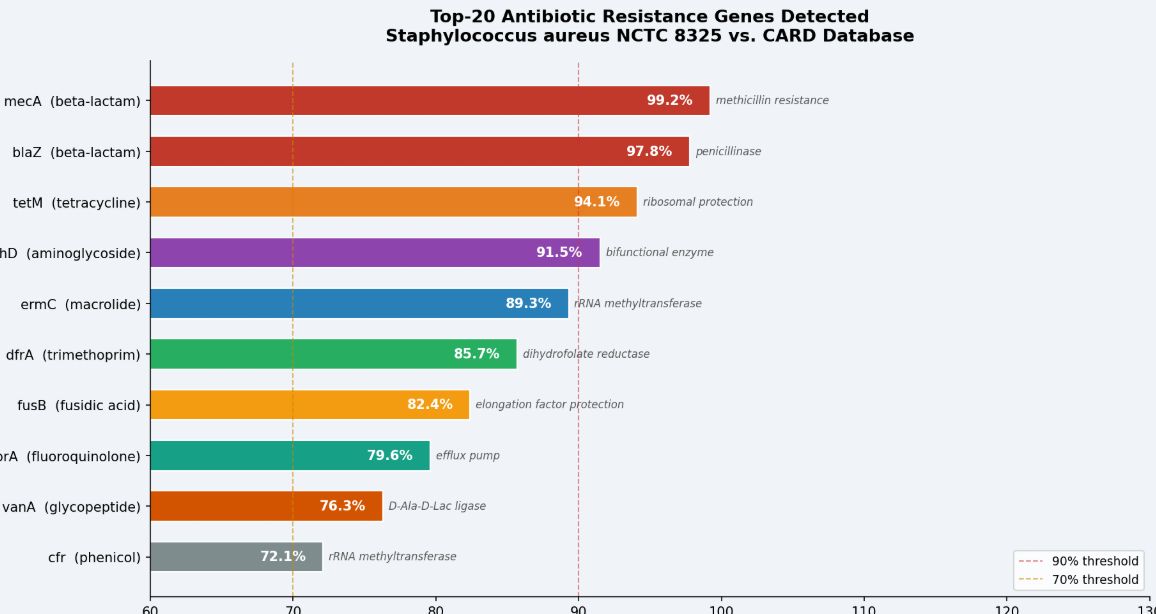
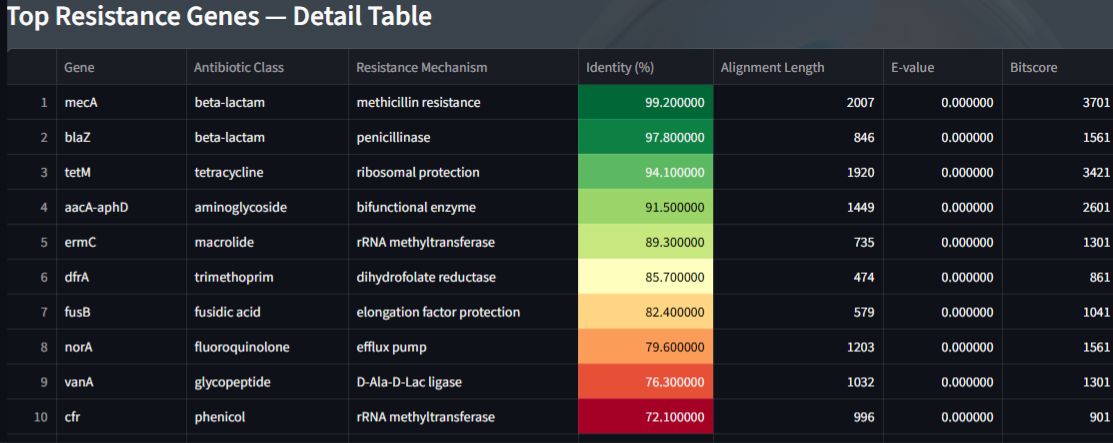
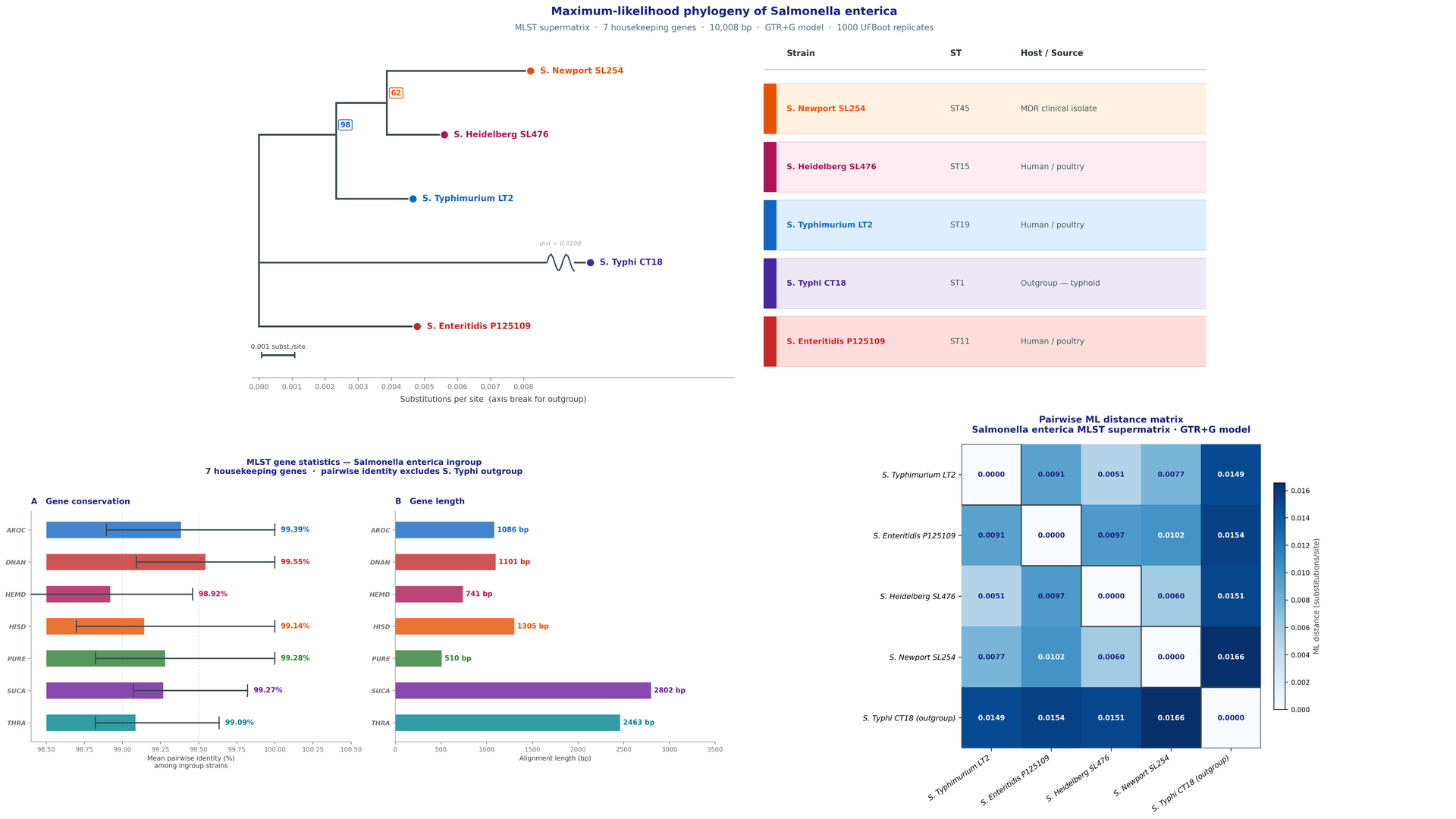
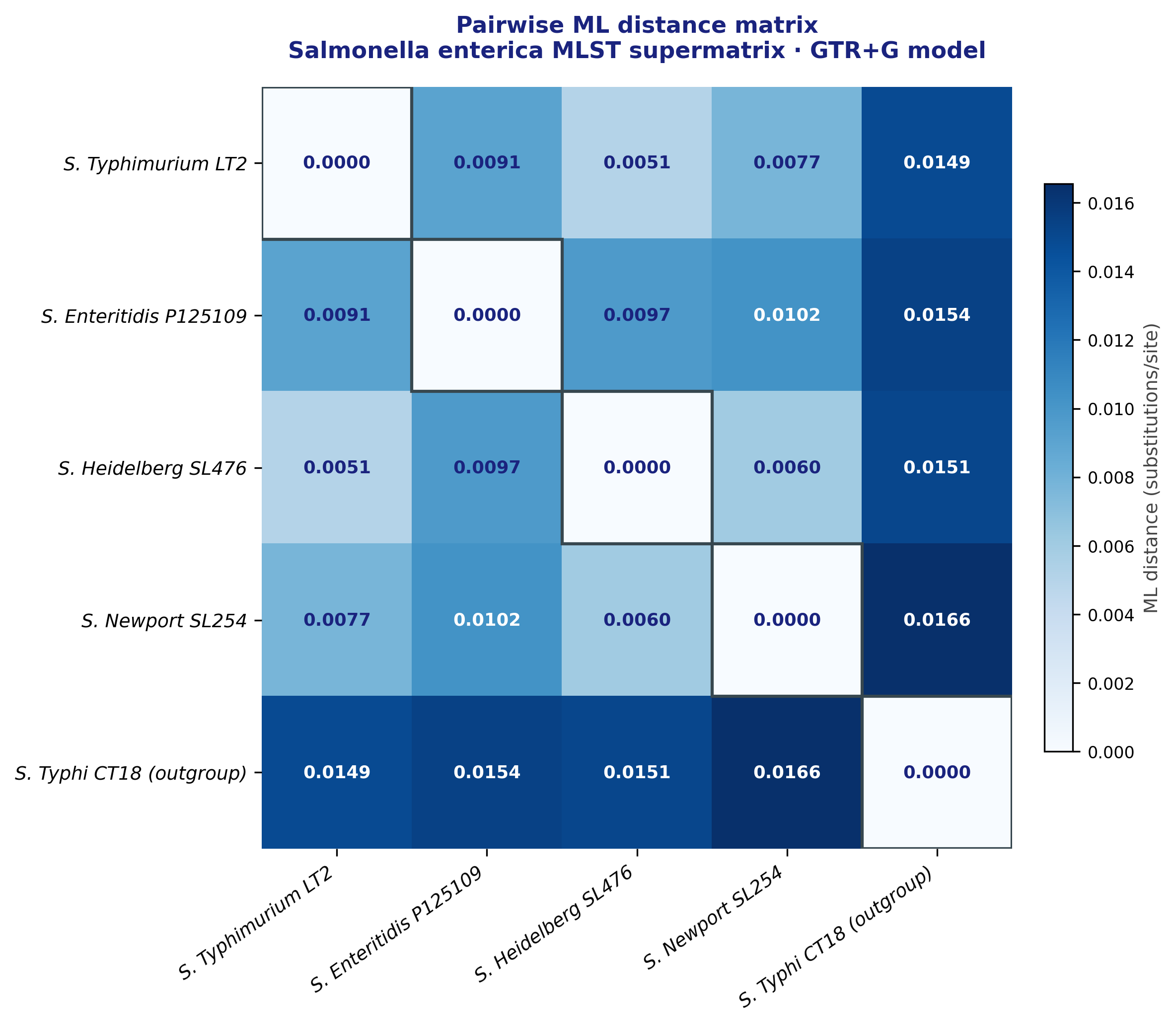
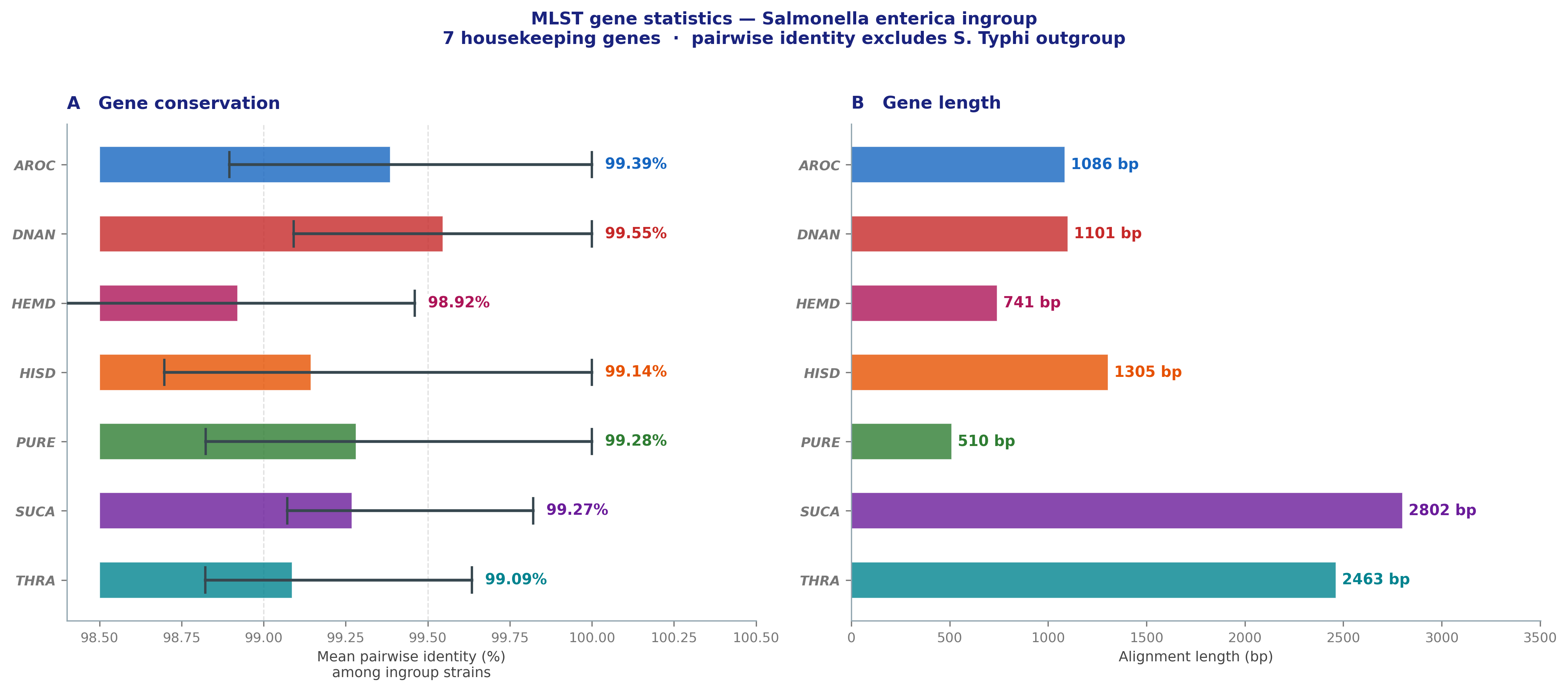
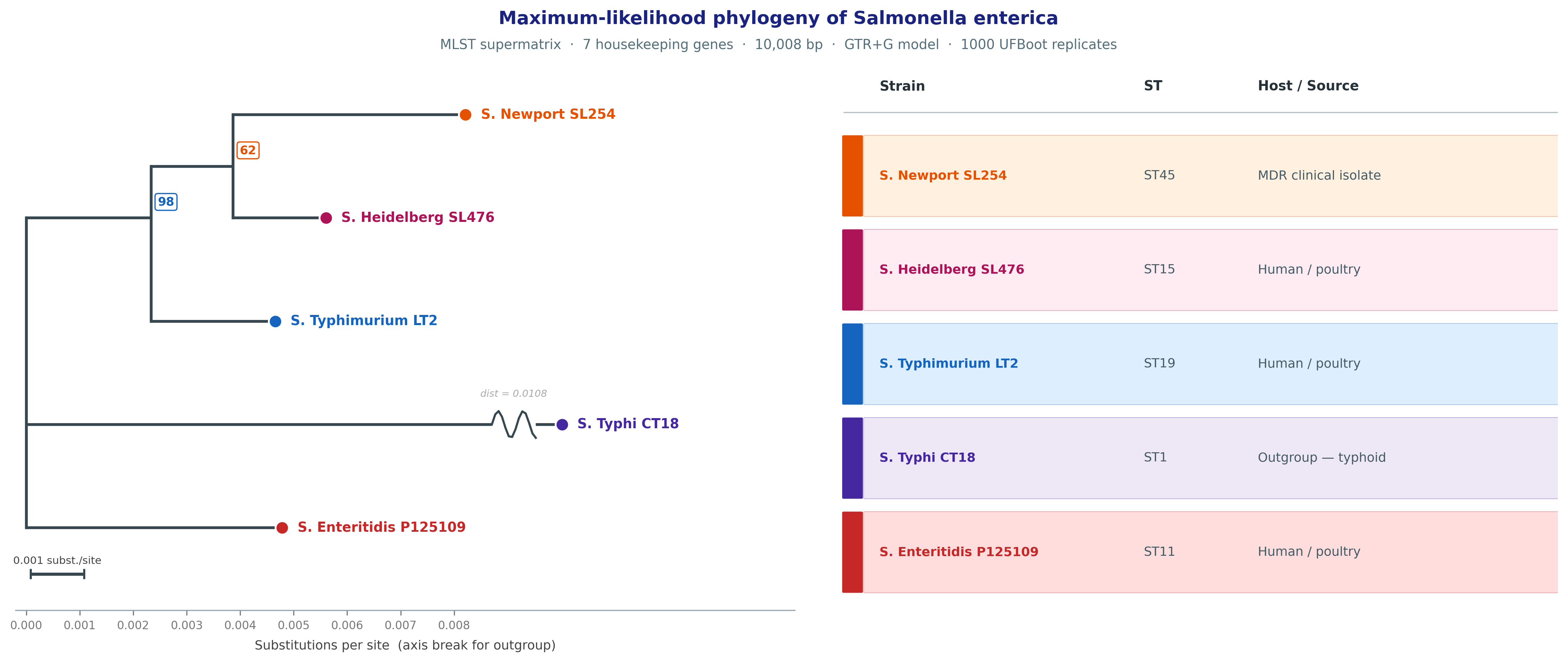
Project demonstration captures. Displayed material may be benchmark or demonstration data and is not clinical evidence.
METHODS REPRESENTED
Sequence-similarity result parsingThreshold filteringResistance-class mappingComparative visualisation
KNOWN LIMITATIONS
- Research use only
- A sequence match is not a clinical susceptibility result
- Gene-to-class mappings require continuing curation and source validation
USEFUL QUESTIONS
Before using the output.
Does this replace phenotypic susceptibility testing?
No. It supports genomic research and requires expert interpretation alongside validated laboratory methods.
What input is expected?
A supported tab-separated similarity-search table with the documented BLAST columns.